Why Jesus Christ Full Length Artwork Still Matters in Modern Spaces
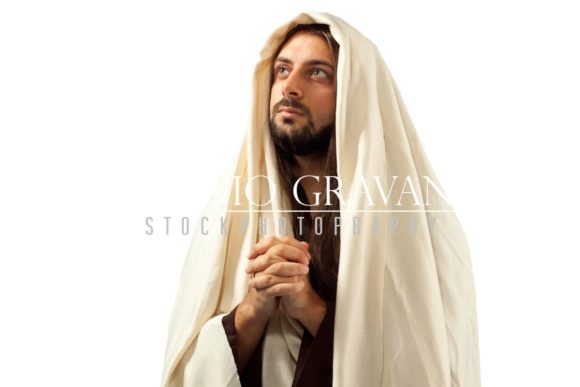
Walk into any traditional church, and you will likely see a depiction of Christ from the shoulders up. Those are powerful images, no question. But there is something different about a Jesus Christ full length portrayal. The whole figure, from head to sandals, standing in a scene, doing something. It changes the conversation. It turns a symbol into a story. Whether you are a designer sourcing visual content, a small business owner curating a waiting room, or an educator building a lesson plan, the full-length format is worth paying attention to.
Most people encounter these images without thinking about why they exist. They are used in printed materials, digital backgrounds, church bulletins, and even video game concept art. But the choice between a portrait and a full-length illustration is rarely random. It shapes how the viewer relates to the subject. The full body invites interaction. You see posture, movement, and context. You see a person in space, not just a face in a frame.
Where People Actually Encounter Full-Length Depictions
The most obvious setting remains religious spaces. Churches, chapels, and retreat centers often commission or purchase large-scale artwork for their walls. But the demand has shifted dramatically in the past decade. Digital media now drives a huge portion of the requests. Content creators, video producers, and bloggers working on faith-based or historical topics search for Jesus Christ full length images to use as video thumbnails, podcast cover art, and social media posts. The full body fits better in vertical formats like phone screens and Instagram stories than a tight close-up does.
Publishers also lean into this format. A book cover for a theological study or a historical novel about the first century benefits from showing the figure in context. A bust shot can feel generic. A full-length scene places the reader in the moment. That is a subtle but significant advantage when you are trying to sell a book in a crowded market.
Hobbyists and home decor enthusiasts have become another major audience. People want artwork that fills a wall without feeling like a museum piece. A full-length piece can anchor a living room or home office with a sense of calm or inspiration. It is not just for the devout. Many people appreciate the aesthetic and historical weight of these images without subscribing to any particular faith.
Why Educators and Creators Reach for This Format
If you teach art history, world religion, or classical literature, you know that showing a detail of a figure is not the same as showing the whole composition. When students see a Jesus Christ full length image in a Renaissance painting, they notice the drapery, the proportion, the relationship between the figure and the landscape. They start asking questions. Why is he standing that way? What is in his hands? Where is he walking? The full view forces observation. It discourages passive looking.
I have watched high school teachers use a single full-length painting to spark a forty-minute discussion about symbolism, cultural context, and artistic technique. That kind of engagement rarely happens with a cropped version. The same principle applies to sermon illustrators and ministry content editors. If you are writing a blog post about the Good Shepherd or the walk to Emmaus, the full-length image immediately supports the narrative. It reinforces the story without needing extra explanation.
Freelancers and graphic designers also benefit from having access to high-quality full-length source material. When you are compositing a scene for a client project, you need a figure that feels grounded. A floating head is hard to integrate. A full body gives you shadows, ground contact, and natural proportions. It saves hours of Photoshop work.
Practical Situations Where the Whole Figure Works Best
Let me describe a few realistic scenarios. A wedding planner is designing an invitation suite for a couple getting married in a historic chapel. They want a motif that hints at tradition without feeling like a cliché. An illustration of Christ with outstretched hands, shown from head to toe, fits perfectly as a subtle border element. The full body communicates blessing and presence without overwhelming the text.
Consider a small business owner who runs a Christian bookstore. They are refreshing the store signage and window displays. Using Jesus Christ full length prints in the window draws attention from across the street. People slow down. They look. They walk in. The owner told me that sales improved noticeably after switching from small framed portraits to larger full-body displays. It is not about the art itself. It is about visibility and emotional pull.
Another example: a video producer editing a documentary about early Christian art needs footage that transitions between scenes. A slow zoom out from a face to a full body creates a natural pause. It gives the audience a moment to breathe. That technique works because the full-length format contains more visual information. The eye can rest on details like the hem of a robe or the angle of a hand.
What to Consider Before Choosing or Using Full-Length Artwork
Not every situation calls for a full-length depiction. If you need a profile picture for a social media account, a close-up is usually better. The face communicates identity faster than the body. But if your goal is atmosphere, storytelling, or emotional resonance, the whole figure is almost always the stronger choice.
Quality matters enormously when sourcing these images. Low-resolution files lose detail in the smaller elements like feet, hands, and background objects. If you are printing anything larger than a standard sheet of paper, look for files with at least 300 DPI. Digital use is more forgiving, but even there, a blurry or pixelated figure undermines the message. Always check the licensing terms as well. Some repositories restrict commercial use or require attribution. For business or professional projects, buy from reputable sources or use public domain works with verified provenance.
Another factor is cultural and denominational sensitivity. Different traditions have different expectations about how Christ should be depicted. A Byzantine-style icon is not the same as a Baroque oil painting or a modern minimalist sketch. Think about your audience. If you are creating content for an interfaith or secular space, a more historical or artistic style tends to work better than a devotional rendering. Context is not secondary. It is the frame that makes the image meaningful.
How Different Users Get Real Value from the Full-Length Format
For creators, the practical benefit is versatility. A full-length figure can be cropped, rotated, color-adjusted, and placed into multiple layouts without breaking. It gives you options. For marketers, the value is in visual differentiation. In a world of generic stock photos, an intentional depiction of a full figure stands out. It signals that you thought about the content, not just grabbed the first thing that appeared in a search.
For educators, the advantage is depth. You can teach proportion, composition, and narrative all from one image. That saves time and keeps students engaged. For hobbyists and home decorators, the benefit is atmosphere. A full-length piece often becomes a conversation starter. Guests notice it. They ask about it. That is hard to achieve with smaller or abstract works.
Small business owners, especially those in hospitality or retail, use these images to shape the emotional tone of their space. A waiting room with a calming full-length depiction feels different from one with blank walls or generic motivational posters. People remember how a space made them feel. That memory influences whether they come back.
The Jesus Christ full length format is not a niche preference. It is a practical choice for anyone who needs to communicate presence, story, or scale. Whether you are designing a website, decorating a classroom, or writing a book, the full body offers something a portrait cannot. It shows the whole picture, literally and figuratively. And that matters more than most people realize until they see it done right.