Jesus Gives Bread and Fish: Multiplying What You Have
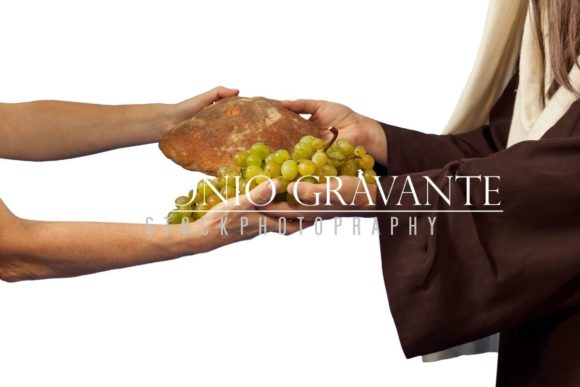
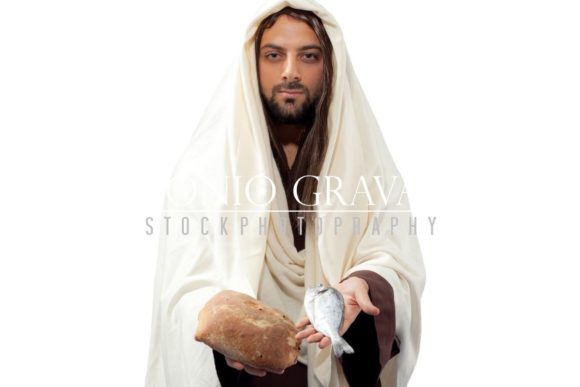
There’s a moment in the Gospels where a young boy offers five loaves and two fish. Jesus takes it, gives thanks, and suddenly thousands are fed with leftovers to spare. This isn’t just an ancient miracle. It’s a blueprint for how you can take limited resources and turn them into something far greater. The story of how Jesus gives bread and fish is a lesson in sufficiency, generosity, and strategic thinking that applies directly to your work, creativity, and daily life.
If you’ve ever felt like you don’t have enough time, talent, or capital, you’re not alone. Most people operate from a scarcity mindset. But this narrative flips that. It shows that the key isn’t having more. It’s using what you already have with intentionality and faith. Let’s unpack what Jesus gives bread and fish truly means for modern professionals, creators, and entrepreneurs.
The Core Principle: Start Small, Think Big
At its heart, the story demonstrates multiplication from minimal inputs. The boy had a small lunch. Jesus didn’t create bread from nothing. He took what was offered and expanded it. This is practical for anyone building something—whether it’s a side hustle, a course, or a marketing campaign. You don’t need a massive budget or a huge team. You need a clear vision and the willingness to bless what you already have.
For example, think about a freelance writer who only has three client leads. Instead of waiting for a hundred, they can nurture those three with exceptional value. Often, those few referrals multiply into many. That’s the same dynamic. Jesus gives bread and fish as a pattern: gather your resources, give thanks, break them open, and share. The growth follows.
Characteristics of This Multiplication Mindset
What makes this approach effective? First, it requires trust in the process. You can’t control outcomes, but you can control your willingness to start. Second, it emphasizes gratitude. When you appreciate what you have, you use it better. Third, it’s communal. Jesus fed the crowd through the disciples. You can’t scale alone. You need systems or people to distribute your work.
Another notable quality is simplicity. The bread and fish were ordinary. No exotic ingredients. That means you can apply this to everyday tools like email lists, social media posts, or even a small savings account. There’s no complexity barrier. Jesus gives bread and fish to show that ordinary items, when leveraged correctly, produce extraordinary results.
Practical Applications Across Environments
Let’s move from theory to action. How exactly do you use this principle? It fits into multiple domains.
Personal Productivity and Time Management
You have twenty-four hours a day. That’s your bread and fish. Instead of wishing for more, optimize the time you have. Block out two hours for deep work. Use that focused period to write a blog post, record a podcast, or outline a business plan. Many people scatter their effort. By concentrating your best energy into a small window, you multiply output. Jesus gives bread and fish when you treat your mornings as the loaves and your evenings as the fish. Both matter, but they need purposeful handling.
I’ve seen busy parents launch online stores using just two hours after bedtime. They didn’t have a full day. They used what they had. And it grew.
Professional Team Building and Leadership
In a workplace, you might have a small team with limited budgets. The temptation is to complain about what’s missing. Instead, identify the strengths within your group. One person might be great at analytics, another at design. That’s your bread and fish. Assign roles based on existing talents. Celebrate small wins. Over time, that culture of abundance attracts more resources. Jesus gives bread and fish in leadership when you focus on developing people rather than acquiring tools.
Consider a startup with three employees. They couldn’t afford expensive software. They used free tools, learned them deeply, and created a workflow that outran competitors. Multiplication happened through skill leverage, not cash.
Creative Content and Digital Engagement
Content creators often feel pressure to post daily on every platform. That’s exhausting. Instead, create one high-quality piece—your bread—and repurpose it across channels. Turn a blog post into a Twitter thread, a LinkedIn article, a YouTube script, and an email newsletter. That’s the fish added to the meal. Jesus gives bread and fish as a content strategy: one idea, multiple servings. Your audience grows because you’re sharing the same core value in different forms.
I’ve worked with bloggers who wrote a single pillar post and got traffic for years. They didn’t churn out volume. They multiplied one resource wisely.
Commercial and Business Growth
For entrepreneurs, the lesson shows up in how you package offerings. A single service can be turned into a product, a course, a consulting package, and a membership. Start with your main expertise—your bread. Then add related guidance—your fish. Package them together. Jesus gives bread and fish in business when you expand without overcomplicating. You already have the knowledge. You just need to distribute it in different vessels.
A real example: a marketing consultant had one popular talk. She turned it into a workbook, a video series, and a certification. Revenue multiplied without new material creation.
Educational and Community Settings
Teachers and community leaders can use this framework too. You don’t need a perfect curriculum to start. Teach what you know. Engage with your small group deeply. Over time, your influence spreads. Jesus gives bread and fish in education when you invest in a few learners and let them become teachers. The knowledge multiplies organically.
Benefits: Efficiency, Communication, and Engagement
The practical benefits of applying this principle are clear. First, efficiency improves because you stop chasing scarcity and start utilizing existing assets. Second, communication becomes more genuine. When you share what you have—not what you lack—people trust you. They see authenticity. Third, engagement rises. Audiences respond to those who give freely and strategically. Jesus gives bread and fish as a model for relationship building: meet needs with what’s on hand, not with what you hope to have someday.
There’s also a branding advantage. Brands that embody generosity and resourcefulness stand out. They become known for making something out of nothing. That perception attracts customers and partners.
Practical Considerations When Applying This Principle
While the concept is powerful, execution matters. Here are some considerations to avoid common pitfalls.
- Assess honestly. Take inventory of your current resources. List your skills, contacts, tools, and time. Don’t inflate or minimize. Accurate assessment is the foundation.
- Start with gratitude. Before you try to multiply, appreciate what you have. This shifts your mindset from complaining to creating.
- Break it down. Jesus broke the bread and fish. You must deconstruct your resource into smaller, shareable pieces. A large project can feel overwhelming. Break it into tasks.
- Enlist help. The disciples distributed the food. You need people to help you scale. That could be collaborators, platforms, or automation tools.
- Trust the process. Multiplication takes time. You might not see instant results. But consistent use of what you have will yield growth.
- Avoid over-optimization. Don’t get stuck perfecting your resource. Use it. Refine later. Jesus gave the bread immediately; he didn’t analyze it.
Evaluation and Implementation Tips
When selecting or designing a project based on this principle, ask: Does this rely on existing strengths? Does it serve a real need? Is it scalable through iteration? If yes, proceed. Start small. Test with a pilot group. Gather feedback. Adjust and then expand.
For professionals considering a new initiative, I recommend mapping out your current resources on a simple grid. What are your bread items? Your fish? Then imagine how combining them can serve others. That grid becomes your action plan. Jesus gives bread and fish as a strategic tool, not just a spiritual story. It’s a framework you can implement this week.
Observationally, I’ve noticed that people who succeed with this approach are those who act despite small beginnings. They don’t wait. They offer their five loaves and two fish, whatever that looks like, and let the process unfold. The abundance comes from the offering, not from the hoarding.
Finally, remember that the story isn’t about magic. It’s about divine partnership. In practical terms, that means you do your part—prepare, bless, share—and trust the ecosystem to multiply. Whether you’re running a business, raising a family, or building an online presence, the pattern holds. Embrace your bread and fish. Give them generously. Watch what happens.