The Real Meaning Behind Jesus Giving Bread and Grapes
Few moments in Scripture feel both familiar and misunderstood as the scene where Jesus gives bread and grapes to his disciples. For many, this moment has been reduced to a quick ritual performed in a hushed room, often surrounded by confusion about what it actually means and why it still matters. Whether you have encountered this concept in a church setting, studied it on your own, or are simply curious about its significance, there is more going on here than meets the eye.
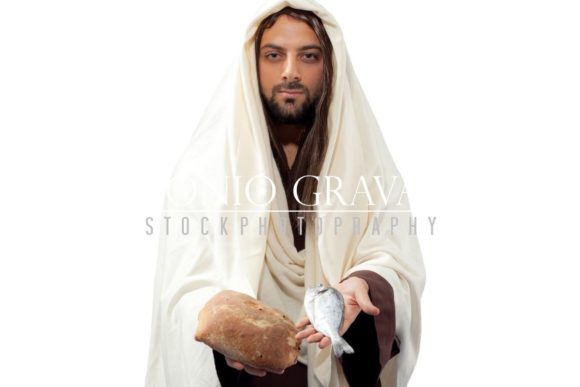
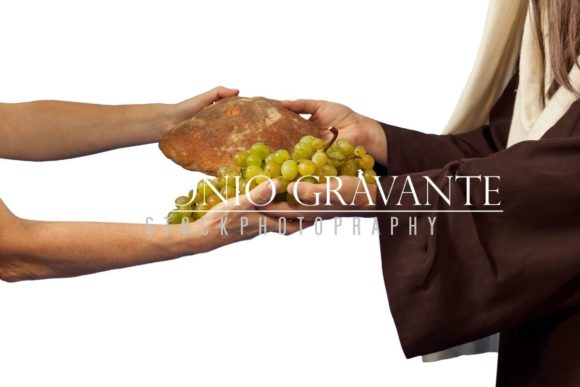
The phrase “Jesus gives bread and grapes” captures a pivotal event recorded across multiple Gospel accounts. Jesus took bread, broke it, and shared it with his closest followers. He then took a cup of wine, often represented by grapes, and distributed it as well. But these actions were never meant to be merely symbolic gestures or empty traditions. They were packed with meaning, intentional instruction, and practical implications for anyone who wants to understand faith, community, and daily living.
Why People Are Drawn to This Topic
Interest in Jesus giving bread and grapes cuts across different backgrounds. Some are exploring Christian teachings for the first time. Others grew up with the ritual but never grasped its depth. Creators and bloggers look for fresh angles on ancient stories. Small business owners and entrepreneurs may seek a framework for generosity or collaboration. Freelancers and educators often want to explain complex ideas simply. Almost everyone can sense that there is something important about sharing a meal, breaking bread, and drinking together. Yet many stumble over the details.
Treating the Elements as Magical Objects
One of the most frequent errors is to view the bread and the fruit of the vine as having some kind of mystical power or automatic spiritual effect. People sometimes assume that taking the elements will somehow fix their problems, cleanse their conscience, or produce instant spiritual growth. This misses the point entirely. Jesus gave bread and grapes as tangible reminders of a much bigger reality. They are not charms or shortcuts. They are meant to focus your mind, stir your memory, and anchor your heart in something deeper.
If you treat the bread and grapes as magical, you risk turning a meaningful practice into a hollow superstition. You might find yourself going through motions without any real change in perspective or behavior. Instead, think of them as physical cues that invite you to reflect, reconnect, and realign your priorities. The power lies not in the elements themselves but in what they point to and how you respond.
Ignoring the Communal Nature
Another common oversight is to privatize the entire experience. Many people approach the bread and grapes as a solo act, something done quietly alone or purely between themselves and God. While personal faith is essential, this neglects a core aspect of what Jesus was doing. When Jesus gives bread and grapes, he does so in the context of a shared meal with his friends. He breaks the bread and passes it around. He hands the cup so that everyone drinks from it together.
This communal dimension matters deeply. It reminds you that faith is not just a private journey but a shared one. You are part of a larger body. When you isolate the practice, you lose the sense of connection, accountability, and mutual care that was built into the act. Over time, this can lead to a lonely, self-centered spirituality that misses the richness of community. A better approach is to intentionally involve others, whether it is your family, a small group of friends, a congregation, or even a few colleagues who want to understand the meaning together.
Forgetting the Context of the Passover
Many people jump straight to the bread and grapes without understanding the backdrop. Jesus gave bread and grapes during a Passover meal. This was not an arbitrary moment. Passover was the annual commemoration of Israel's deliverance from slavery in Egypt. It involved lamb, unleavened bread, wine, and specific rituals. When Jesus reinterprets the bread and the cup during this meal, he is connecting his own mission to the story of rescue and freedom that had shaped his people for centuries.
Skipping this background leads to a shallow understanding. You may miss why Jesus said the bread represents his body given for you, or why the cup represents a new covenant in his blood. These phrases were not random. They emerged from a rich historical and theological context. Without that context, the practice can feel disconnected or even confusing. Take time to read the Passover story in the Old Testament. Understand the symbols. Then see how Jesus fulfills and transforms them. This one step will change how you view the entire moment.
Making It Exclusively About Guilt and Somberness
Some environments have turned the bread and grapes into a heavy, guilt-ridden affair. People are told to examine themselves thoroughly, to search for any hidden sin, and to approach with extreme solemnity. While self-reflection has its place, an overemphasis on guilt can distort the experience. Jesus gave bread and grapes as a gift, not a burden. Yes, it calls for honesty, but it also invites celebration, gratitude, and hope.
If you approach this practice with constant fear or dread, you miss the joy that Jesus intended. The bread and grapes are about remembering a rescue, not rehashing failure. A better posture is one of humble thankfulness. Come with an open heart, acknowledge where you fall short, but also receive the assurance and love that the symbols represent. Balance honesty with celebration. Let the bread and grapes remind you that you are welcomed, not condemned.
The Timing and the Table Fellowship
One detail that often gets overlooked is that this event happened during a meal. Jesus did not hand out bread and grapes in a sterile, silent ceremony. He was reclining at a table with friends, eating, talking, laughing, and probably even arguing. The atmosphere was alive. This tells you something important: the context of relationship matters. The bread and grapes were part of a larger evening of connection, conversation, and shared life.
When you reduce it to a cold, formal ritual, you strip away the relational element. Consider how you can bring back the table fellowship. Maybe you share a simple meal with your family or friends before focusing on the bread and grapes. Let the conversation flow. Let relationships deepen. The physical act of eating together already conveys something meaningful. It builds trust, vulnerability, and warmth. Jesus gave bread and grapes in the middle of that warmth, not apart from it.
The Symbolism of Brokenness and Pouring
Another detail that many rush past is that Jesus broke the bread and poured the wine. These actions are not incidental. Breaking represents sacrifice, vulnerability, and sharing. Pouring out represents generosity, abundance, and cost. When you hold a piece of bread that was broken, it reminds you that something had to be broken for you to benefit. When you see wine poured, it suggests life given freely.
This has practical implications for your own life. If you are someone who leads, creates, or serves others, breaking and pouring can become a pattern. Generosity involves giving something valuable away. Leadership involves being willing to be vulnerable for the good of others. The bread and grapes model a way of living that is open-handed, not clenched. Consider how you can embody this in your own relationships, work, and daily decisions.
Check Your Understanding Before Participating
Before you engage with the bread and grapes, take a moment to clarify what you believe and why. Are you doing it because everyone else does? Are you just following a habit? Or do you genuinely want to connect with the meaning behind it? Read the accounts in Matthew, Mark, Luke, and 1 Corinthians. Ask questions. Talk to someone who understands the biblical background. Make sure your participation is informed, not passive.
Focus on Remembrance Rather Than Ritual
Jesus specifically said, “Do this in remembrance of me.” The primary purpose is memory, not magic. When you take the bread and grapes, you are intentionally recalling who Jesus is, what he taught, and how he lived and died. This shapes your identity, priorities, and actions. It is not just looking backward but letting that memory influence your present choices. Make remembrance the center of your practice. Ask yourself: What do I need to remember today? How does this change how I treat others?
Involve Others Whenever Possible
Because Jesus shared the bread and grapes with his disciples, it makes sense to include others in your experience. That could be your immediate family, a small group of friends, your church community, or even a couple of colleagues who are curious. Sharing the moment together reinforces the truth that you are not alone. It opens the door for conversation, questions, and mutual encouragement. If you always do it alone, try inviting someone else next time.
What to Evaluate Before Making a Decision About the Practice
If you are considering incorporating this into your personal or family life, evaluate your motives and expectations. Are you looking for a quick spiritual fix? That will likely disappoint. Are you hoping to deepen your understanding and connection? That has real value. Check that you are not using the bread and grapes to avoid dealing with harder issues like forgiveness, generosity, or reconciliation with others. The symbols work best when they lead to real change, not just temporary feelings.
Also consider the practical logistics. The type of bread or drink matters far less than the intention behind them. Do not get caught up in debates about specifics that miss the spirit of the practice. Use what is available and meaningful to you. Focus on the purpose, not the perfection of the elements.
Jesus gives bread and grapes as a way to connect you with his life, his teaching, and his enduring presence. The invitation is not to perfect a religious ritual but to enter into a living relationship. When you approach it with understanding, community, and an open heart, it becomes a source of clarity and strength that goes far beyond any single Sunday or special occasion.