Jesus Uses the Tablet: Creative Ideas & Uses
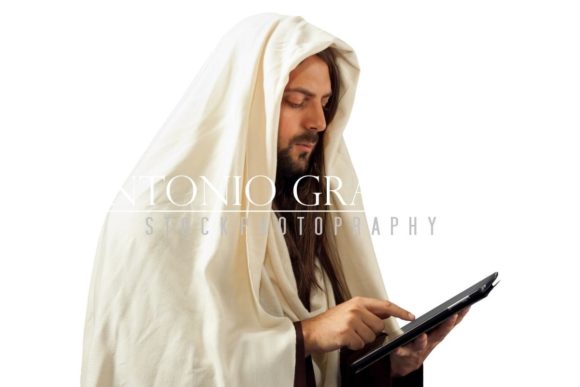
The image is instantly recognizable: a serene, often Renaissance-style depiction of Jesus holding a tablet or smartphone, gaze fixed on the screen. What started as a simple internet meme has evolved into a versatile visual shorthand for the collision of ancient wisdom with modern digital life. For creators, marketers, and anyone making content, Jesus Uses the Tablet is far more than a joke—it is a tool for commentary, connection, and creative storytelling.
At its core, this image plays on juxtaposition. The sacred, timeless figure of Jesus interacts with the most mundane yet powerful symbol of contemporary life: the personal device. This contrast opens a rich vein of creative possibility. Whether you are a designer, a social media manager, a blogger, or a small business owner, understanding what makes this concept tick can help you generate ideas that resonate, provoke thought, and entertain.
Why This Image Works for Creators and Marketers
The effectiveness of Jesus Uses the Tablet lies in its simplicity and immediate recognition. The visual is clean, the context is clear, and the punchline—or the point—is delivered almost instantly. For a content creator, this is gold. In a world of short attention spans, a visual that communicates an idea in under a second is a strategic asset.
Beyond speed, the image carries cultural weight. It taps into shared knowledge about religion, technology, and the sometimes awkward relationship between the two. This makes it useful for a wide range of tones: ironic, reverent, humorous, or critical. You can use it to comment on digital addiction, the timelessness of certain values, or the absurdity of applying modern tools to ancient traditions.
For marketers, this image offers a way to humanize a brand or message. It creates an immediate emotional hook—curiosity, amusement, or recognition—that can lead to higher engagement. When you use a familiar cultural reference, you signal that your brand understands the audience’s world.
Social Media Posts and Meme Campaigns
The most obvious application is in social media content. The Jesus Uses the Tablet format can be adapted for almost any message. Imagine a caption like “Even Jesus checks his notifications before bed” paired with the image to talk about digital wellness. Or use it to introduce a blog post about faith and technology. The key is to match the tone of the image to your brand voice. If your brand is playful, lean into the absurdity. If it is more thoughtful, use the contrast to invite reflection.
- For Instagram: A carousel post where each slide shows Jesus using a different app, commenting on modern habits. Caption: “Ancient wisdom meets modern distraction. Which app is he using?”
- For Twitter/X: A single image with a short, witty line: “Trying to find the settings menu for turning water into wine. There’s no tutorial.”
- For TikTok: A short video where the image appears, and a voiceover discusses how timeless principles apply to modern problems. Use the image as a recurring visual theme.
Blog and Article Visuals
If you write about technology, culture, religion, or creativity, this image can serve as a powerful lead visual. It immediately sets a tone of thoughtful contrast. For example, an article about balancing screen time with spiritual practice could open with the image. Or a piece on how ancient teachings translate to modern leadership could feature Jesus Uses the Tablet as a metaphor for adapting old wisdom to new contexts.
For bloggers, using this image with a custom overlay—like a quote or a title—can create a distinctive thumbnail style. The familiarity of the image helps with click-through rates, while the specific message you attach keeps it relevant to your content.
Branding and Advertisement Concepts
Small businesses and entrepreneurs can use the concept for ad creative. A religious bookstore might use the image to promote a Bible app. A tech company could use it to advertise a new device with a tagline like “Built for every generation.” The key is to avoid being offensive. Instead, aim for gentle humor or respectful commentary. The image works best when it feels clever, not mocking.
For a more professional tone, you can replace the humorous caption with something like “Some things are timeless. How we access them evolves.” This keeps the visual impact while shifting the message toward innovation or adaptability.
Adapting the Concept for Different Audiences and Platforms
Not every audience will respond the same way to Jesus Uses the Tablet. Context matters. Knowing your audience is essential before you publish anything based on this concept.
| Audience | Approach | Example |
|---|---|---|
| Religious or faith-based | Respectful, reflective, focusing on timeless truths meeting modern methods | “Even the greatest teachings need new vessels. How are you sharing your message today?” |
| Tech and startup crowd | Ironic, clever, focused on innovation and adoption | “When legacy meets disruption. What old system are you upgrading?” |
| General social media audience | Humorous, relatable, focused on everyday digital habits | “Me trying to find where I left my keys. Jesus trying to find the perfect filter.” |
| Creative professionals and designers | Meta, artistic, exploring the boundaries of remix culture | Use a high-quality render or painting style, not a low-res meme. Pair with a provocative question about originality in the digital age. |
Each platform also demands its own pacing. On LinkedIn, you can write a longer caption about leadership and adaptability. On Instagram, keep the caption short and let the image do the work. On TikTok, let the image appear and cut quickly to a related point. The same visual can serve very different strategic goals.
Practical Tips for Keeping Your Content Effective
Using a well-known meme or visual concept comes with both opportunities and risks. To keep your results clear, original, and audience-friendly, consider these guidelines:
- Know your context. Ensure the cultural or religious reference aligns with your audience’s sensibilities. Avoid using the image in a way that could be seen as disrespectful unless that is your explicit and careful intention.
- Add your own spin. The stock image is widely known. To stand out, add a unique caption, a custom element, or a specific reference to your niche. Originality matters even when using a template.
- Keep the message simple. The visual already carries complexity. Let the image speak and use your text to clarify or elevate the idea. Overcomplicating the message weakens the impact.
- Test different tones. Try the same image with a humorous caption and with a thoughtful one. See which resonates better with your audience. The flexibility of the concept allows for experimentation.
- Respect the platform norms. On more professional networks, keep the tone light but not flippant. On casual platforms, lean into the humor. Misjudging the tone can alienate viewers.
Exploring Variations and Style Approaches
While the classic Jesus Uses the Tablet image is usually a painting with a digital device photoshopped in, you can explore other creative directions. For a more polished look, commission a custom illustration in a similar style. For a more modern take, use a contemporary photograph with the same composition. For a series, vary the device—tablet, phone, laptop, even a smartwatch—to comment on different behaviors.
Another approach is to deconstruct the concept. Instead of showing Jesus using the tablet, show the tablet displaying something surprising, like a to-do list with “Feed 5000” crossed off. This shifts the focus from the device to the content, opening new narrative possibilities.
You can also use the concept as a visual metaphor in longer-form content. In a presentation about digital transformation, the image can appear as a slide to break the tension and invite a smile before you dive into serious data. In a newsletter, it can be a recurring visual signature that readers look forward to.
Practical Inspiration for Different Roles
For a blogger: Write a post titled “What Would Jesus Search For?” and use the image as the header. Explore what ancient wisdom would look like in a search engine era. List five timeless questions and how Google answers them versus how scripture answers them.
For a social media manager: Schedule a series of posts using the image for each day of the week, each with a different caption related to a common digital frustration. For example, “Jesus tries to unsubscribe from a newsletter. It takes seven clicks.”
For an entrepreneur or small business owner: Use the image in an ad for a productivity app, with the line “Even the most divine plan needs good execution. Stay organized.” Make the connection between timeless purpose and modern tools clear and respectful.
For a designer or artist: Create your own version of the image in your style. Replace the classic painting with a vector illustration, a watercolor, or a pixel art version. This can become a signature piece that showcases your style while participating in a familiar cultural conversation.
For a marketer or publisher: Use the concept in A/B testing. Run two versions of a landing page—one with the Jesus Uses the Tablet visual and one with a standard stock photo. Measure engagement, click-through, and conversion. The results can inform how you use cultural references in future campaigns.
Keeping It Fresh and Audience-Friendly
The biggest risk with any popular meme is oversaturation. To keep Jesus Uses the Tablet effective in your work, avoid using it every week. Let it be occasional and intentional. When you do use it, pair it with a genuinely interesting idea, not just a lazy joke. Your audience will notice the difference between a clever use and a filler post.
Also, stay aware of how the meme evolves. New variations may emerge, or the cultural conversation around religion and technology may shift. The best creative professionals stay flexible. If the image becomes too clichéd, you can reference it indirectly or create an original variation that nods to the concept without repeating it.
Ultimately, the power of Jesus Uses the Tablet lies in its ability to connect two worlds: the ancient and the modern, the sacred and the mundane, the timeless and the immediate. Whether you use it for a quick laugh, a deep reflection, or a clever marketing hook, the concept rewards thoughtful execution. Keep your audience in mind, respect the source material, and let your creativity bridge the gap.