Jesus Christ in Cute Cartoon Style: A Fresh Approach to Faith-Focused Visual Content
Visual representations of religious figures have long been a sensitive and carefully considered area. Whether used in educational materials, devotional content, or creative projects, the way faith-based imagery is presented matters deeply to audiences. Recently, the concept of Jesus Christ in cute cartoon style has gained traction across digital platforms, offering an alternative to traditional, often solemn iconography. This approach reimagines familiar biblical figures through warm, approachable, and simplified design, making them more accessible without diminishing their significance.
For professionals working in content creation, publishing, or education, understanding what this style offers—and where it fits—can open new possibilities for engaging diverse audiences. This article examines the practical value, strengths, and considerations of using Jesus Christ in cute cartoon style across various applications.
What Defines the Cute Cartoon Approach to Jesus Christ
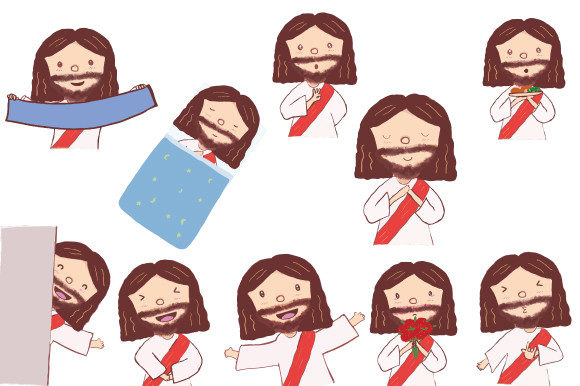
The term "cute cartoon style" refers to a specific visual language characterized by rounded proportions, soft lines, expressive eyes, and gentle color palettes. When applied to Jesus Christ, this style intentionally softens traditional depictions, focusing on warmth, kindness, and approachability rather than solemnity or grandeur.
Key characteristics typically include:
- Simplified facial features with large, expressive eyes that convey compassion
- Soft, rounded body shapes that feel friendly and non-intimidating
- Gentle color schemes—often warm tones, pastels, or muted earth colors
- Minimal background detail, keeping attention on the figure and expressions
- Consistent stylistic choices that align with modern animation and illustration trends
This is not about irreverence or trivialization. Rather, it is a deliberate design choice aimed at lowering emotional barriers, especially for younger audiences, newcomers to faith content, or those who find traditional religious art intimidating. The purpose is to create a visual entry point that feels safe, inviting, and relatable.
Why This Style Matters for Content Creators and Educators
For bloggers, publishers, educators, and small business owners working in faith-based or values-driven spaces, the visual identity of your content directly affects audience engagement. Traditional religious imagery can feel distant or culturally specific. Jesus Christ in cute cartoon style bridges that gap by presenting a figure that feels universal in its warmth.
Strengths in Communication and Relatability
The most immediate strength of this style is its ability to communicate core ideas—love, forgiveness, kindness, community—without requiring complex theological understanding. A cartoon depiction of Jesus smiling, helping others, or telling a parable can convey the emotional heart of a message in seconds. This is particularly useful for:
- Children's ministry materials and Sunday school resources
- Social media posts where first impressions matter
- Print or digital storybooks that retell biblical narratives
- Devotional apps or websites aiming for a modern, welcoming tone
In these contexts, the cute cartoon style does not replace deep theological content. It supports it. The visual acts as an invitation—a way to draw someone into a message they might otherwise scroll past or feel disconnected from.
Usability Across Platforms and Formats
From a practical standpoint, Jesus Christ in cute cartoon style tends to be highly versatile. Because the designs are simplified, they reproduce well across different media:
- Digital screens (web, mobile, social media graphics)
- Printed materials (booklets, posters, stickers, coloring pages)
- Animated video content for YouTube or educational platforms
- Merchandise such as mugs, T-shirts, or greeting cards
The clean lines and flat color areas typical of this style also mean lower production complexity. For independent creators or small teams working with limited budgets, this can significantly reduce the time and cost of creating consistent visual assets.
Analyzing Quality and Consistency in Available Resources
Not all cute cartoon depictions of Jesus Christ are created equal. Quality varies significantly depending on the source, the illustrator's skill, and the intended use case. When evaluating a specific set or resource, several factors matter:
Design Quality and Emotional Tone
The best examples of Jesus Christ in cute cartoon style maintain a careful balance between "cute" and "respectful." The face should still convey wisdom, gentleness, and gravitas appropriate to the subject, even with simplified features. Poor designs can veer into childishness or caricature, which may alienate the very audience you hope to reach.
Look for illustrations that preserve recognizable iconographic elements—such as a beard, long hair, or simple robes—while using cartoon exaggeration only for emotional expression, not for comedy or distortion. The most successful assets feel timeless, not trendy.
Consistency Across a Set
If you are producing a series of materials—say, a 12-week children's curriculum or a set of social media cards for Lent—consistency in style is essential. A good resource will offer multiple poses, expressions, and scenes that feel part of the same visual world. The hair, clothing, facial structure, and color palette should match across images.
Ask whether the resource includes:
- Multiple expressions (joy, teaching, compassion, contemplation)
- Varied scenes (teaching, healing, praying, with children)
- Consistent line weight, shading, and color temperature
Without consistency, the visual identity of your project becomes fragmented, reducing professionalism and recognizability.
Licensing and Practical Flexibility
For commercial use—whether in a published book, a paid online course, or branded merchandise—licensing terms matter enormously. Some resources for Jesus Christ in cute cartoon style are offered as royalty-free or under Creative Commons licenses, while others require individual purchases or attribution. Always check the terms before committing to a wide-scale project.
Reliable vendors and illustrators will clearly state usage rights. If terms are vague, proceed with caution. The last thing you want is to invest in a visual identity only to face legal restrictions later.
Who Benefits Most from This Visual Style
Based on current usage patterns, several groups find particular value in cute cartoon depictions of Jesus Christ:
Children's Ministry and Family Educators
This is the most obvious and well-established audience. Young children respond to bright colors, soft shapes, and friendly faces. A Jesus who smiles and looks approachable helps children feel safe asking questions and forming a personal connection. Many churches and religious education programs have adopted this style for coloring books, story slides, and activity sheets.
Social Media Managers and Content Marketers
Platforms like Instagram, Pinterest, and Facebook reward content that stops the scroll. A warm, visually appealing portrait of Jesus in cartoon style can perform significantly better than a text-only quote or a complex Renaissance painting. The style reads as contemporary and inclusive, which resonates with younger demographics aged 20–40.
Independent Creators and Small Publishers
For those producing devotional e-books, printable wall art, or faith-based planner stickers, the cute cartoon style offers a distinctive and unified aesthetic. It differentiates products from mass-market religious goods and can build a loyal audience around a specific visual brand.
Freelance Illustrators and Designers
Professionals tasked with producing religious content for clients may find that pre-existing assets in this style save weeks of production time. Purchasing a well-made set of illustrations and adapting them for a client's needs is often more efficient than commissioning original work from scratch—especially for projects with tight deadlines.
Practical Recommendations for Evaluating and Using These Assets
If you are considering incorporating Jesus Christ in cute cartoon style into your work, here are actionable steps to ensure a good fit:
- Define your audience first. A style that works for preschoolers may feel too young for teenagers or adults. Make sure the level of "cuteness" matches your viewers' expectations.
- Request sample images. Before purchasing a full set, test a few images in your actual use case—on a web page, printed at small size, or on a phone screen. This reveals issues with resolution, color, or clarity that may not be obvious in preview form.
- Consider cultural context. Different communities have varying expectations for religious imagery. What feels warm and inviting in one context may feel overly casual in another. If possible, get feedback from a representative sample of your target audience.
- Pair with strong copy. Visuals alone rarely carry a message. The cartoon style works best when combined with thoughtful, clear writing that explains, teaches, or inspires. The image opens the door; the text walks the reader through.
- Plan for long-term use. If you intend to build a brand around this visual identity, confirm that the asset set is large enough to support ongoing content. Running out of fresh visuals midway through a campaign is a common pitfall.
Possible Limitations and Cautions
No approach is perfect for every situation. The cute cartoon style has limitations worth acknowledging:
- Perception of seriousness. Some audiences may view cartoon depictions as childish or inappropriate for mature theological discussions. Use discretion when the context involves grief, suffering, or deep doctrinal matters.
- Cultural sensitivity. In more traditional religious communities, any departure from classical iconography may be met with resistance. Understand the norms of your specific audience before adopting this style broadly.
- Over-commercialization risk. Because the style is easily reproduced, it can sometimes feel generic or mass-produced. To maintain authenticity, invest in assets that have clear artistic identity and avoid clip-art-style designs with no soul.
Final Assessment: Practical Value Over Hype
Jesus Christ in cute cartoon style is not a revolutionary theological statement. It is a visual tool—one that happens to align well with modern content consumption habits and the needs of digital-first audiences. Its value lies in accessibility, warmth, and versatility, not in profundity or artistic innovation.
For professionals who create faith-based content regularly, having a reliable set of warm, consistent, and licensable cartoon illustrations of Jesus can streamline production, improve audience reception, and support a welcoming brand identity. The key is choosing quality over quantity, respecting the subject's gravity while embracing the style's inherent approachability, and always matching the visual tone to the message being shared.
When used thoughtfully, this style becomes more than a design trend. It becomes a bridge—helping people of all ages and backgrounds engage with stories, teachings, and values that might otherwise feel distant. That alone makes it worth considering as part of a balanced, audience-aware content strategy.