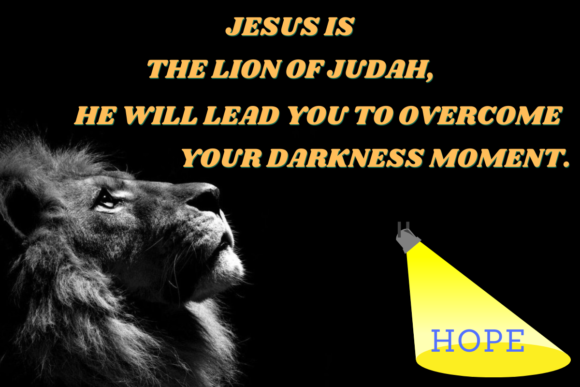
Understanding Jesus as the Lion of Judah: A Practical Guide
The title “Jesus is the Lion of Judah” carries a weight that resonates far beyond Sunday morning sermons. It evokes strength, royal authority, and the promise of ultimate victory. For many, it becomes a source of comfort in difficult seasons or a rallying cry in moments of spiritual battle. But as with any powerful biblical image, it is easy to misunderstand, oversimplify, or even misuse this title in ways that diminish its depth. Whether you are exploring this for personal study, teaching, creative projects, or ministry, understanding what the Lion of Judah truly represents—and what it does not—can make the difference between a shallow catchphrase and a life-shaping truth.
What the Lion of Judah Represents and Why It Matters
The phrase originates from two key passages in Scripture. In Genesis 49:9–10, Jacob blesses his son Judah, calling him a lion’s cub and declaring that the scepter will not depart from him until Shiloh comes. This is a messianic promise, pointing to a future ruler from the tribe of Judah. The second passage, Revelation 5:5, brings that promise to its fulfillment: “See, the Lion of the tribe of Judah, the Root of David, has triumphed.” But here is the twist—when John looks for this lion, he sees a Lamb standing as though it had been slain. This layered picture is the heart of the matter. The Lion does not conquer through raw force alone; His victory is accomplished through sacrifice. That tension is what gives the title its richness, and it is also where many people go wrong.
Common Misunderstandings That Can Skew Your Perspective
When a title becomes popular, especially across social media, worship music, and sermon illustrations, it can take on a life of its own. The original biblical context sometimes gets blurred, and what remains is a slogan that sounds powerful but lacks substance. Here are some of the most frequent mistakes people make with the Lion of Judah—and how to avoid them.
Mistake 1: Isolating the Lion from the Lamb
It is very easy to focus exclusively on the lion imagery—strength, conquest, authority—while forgetting that the same chapter in Revelation presents Jesus as a slain Lamb. When you separate the two, you risk portraying a Christ who is only about power and judgment, without the humility and sacrificial love that defined His life and death. This imbalance can lead to a version of faith that feels harsh or triumphalist, especially in teaching or creative work. A better approach is to hold the lion and lamb together in your mind. Teach that the Lion’s authority is rooted in the Lamb’s sacrifice. The victory is real, but it was won through surrender, not domination. When someone asks you what the Lion of Judah means, let your answer include both the scepter and the scars.
Mistake 2: Overlooking the Old Testament Context
The phrase is not a standalone title—it is deeply embedded in Israel’s story. The tribe of Judah was not chosen for its size or strength, but because of God’s covenant purposes. Jacob’s blessing in Genesis is set within a family narrative full of failure, rivalry, and redemption. When you skip this background, the title becomes a vague symbol of power rather than a specific promise rooted in history. For example, someone creating artwork or writing a blog post about the Lion of Judah might miss the connection to Judah’s role as the ancestor of David and, ultimately, of Jesus. Taking time to study the lineage and the covenant context adds layers of meaning that a quick online search cannot provide. It turns the title from a decorative phrase into a theological anchor.
Mistake 3: Using the Title for Personal or Political Agendas
This is perhaps the most practical and dangerous mistake. Because the Lion of Judah represents victory and authority, it can be tempting to apply that imagery to personal battles, political causes, or interpersonal conflicts. People sometimes invoke the title to justify aggression, claim divine backing for their own opinions, or frame their opponents as enemies of God. This misapplication does a disservice to the text and can harm relationships. The Lion’s triumph in Revelation is cosmic and eschatological—it is about the ultimate redemption of all things, not about winning an argument or a election. A wiser approach is to let the title shape your character rather than your agenda. Ask yourself: am I using this phrase to point to Christ’s authority, or to bolster my own? The difference matters deeply.
How These Mistakes Affect Your Understanding and Practice
When these misunderstandings go unchecked, the consequences can show up in several areas. For teachers and preachers, the message becomes imbalanced—heavy on victory, light on sacrifice. Congregants may develop a faith that expects triumph without suffering, which crumbles when life gets hard. For creators, whether you are writing, designing, or producing music, shallow interpretations lead to work that feels repetitive or hollow. Audiences can sense when a phrase is used for effect rather than out of substance. For small business owners or entrepreneurs who incorporate faith imagery into their branding, using the Lion of Judah without proper context can come across as inauthentic or even exploitative. The goal is not to discard the title, but to handle it with the depth it deserves. When you do, it becomes a resource that enriches teaching, inspires creativity, and grounds personal faith.
Practical Steps to Approach the Lion of Judah with Clarity
Getting it right does not require a theology degree, but it does require intentionality. Start by reading the relevant passages in their full context: Genesis 49, Revelation 5, and also the surrounding chapters that show the lamb, the throne, and the worship. Notice how the lion of Judah is introduced specifically as one who has triumphed through being slain. Keep that paradox at the center. When you refer to the title in conversation, teaching, or creative work, explain both aspects briefly rather than relying on assumption. If you are preparing a sermon or lesson, consider including the Old Testament background so your audience understands the covenantal significance. Ask yourself: am I presenting a figure of raw power, or the King who reigns through sacrificial love? The answer will guide everything else.
What to Check Before Using the Lion of Judah in Your Ministry or Work
Before you incorporate this title into a message, a piece of art, a product, or a social media post, step back and evaluate a few things. First, check your motivation. Are you drawn to this title because of its biblical depth, or because it sounds strong and marketable? Honesty here prevents shallow usage. Second, check your sources. Is your understanding coming directly from Scripture, or from popular sayings that have lost context? A simple study of Genesis 49 and Revelation 5 will ground you far better than a dozen sermon clips. Third, consider your audience. Will they grasp the full weight of the lion and lamb together, or are they likely to take away only half the picture? If the latter, your role is to fill in the gaps gently. Fourth, balance your emphasis. If every message or piece of content leans on victory language without room for lament, humility, or waiting, it may be time to reintroduce the lamb. Keeping that balance preserves the integrity of the title and helps it function as genuine teaching rather than empty rhetoric.
When you approach the Lion of Judah with care, it ceases to be a slogan and becomes a window into the character of Christ. It speaks of a King who rules not by crushing others, but by laying down His life. That is a message worth getting right. Whether you are studying for your own growth, preparing to teach, or creating something that will reach others, the depth of this image will reward the time you invest in understanding it fully.