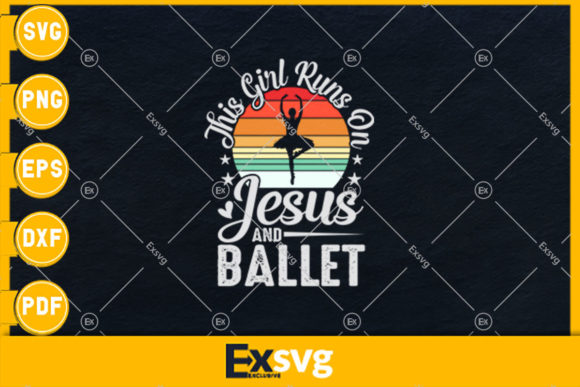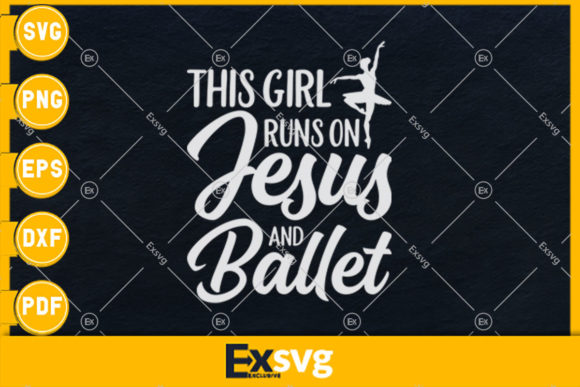
This Girl Runs on Jesus and Ballet
Some brand statements land with such visual clarity that they practically design themselves—and This Girl Runs on Jesus and Ballet is exactly that kind of phrase. For graphic designers working on lifestyle, faith-based, or athletic identity projects, this statement offers a rare intersection of spiritual conviction and graceful movement. It’s not just a tagline; it’s a complete visual prompt—one that invites exploration of typography, color palette, and composition in ways that resonate with both heart and discipline.
Why This Phrase Matters in Visual Design
At its core, This Girl Runs on Jesus and Ballet communicates duality: strength meets elegance, faith meets form, endurance meets artistry. For brand identity work, this duality is gold. It gives designers a conceptual foundation to build layered visual systems—where bold sans-serifs can stand alongside delicate script letterforms, and where energetic accent colors can balance serene neutrals. The tension between motion and stillness, between spiritual fuel and physical discipline, creates natural hooks for logo design, typography exploration, and overall brand storytelling.
Designing for Dual-Identity Brands
When a client brings you a statement like this, you’re not just designing a logo. You’re building a visual language that must speak to both the rigorous athlete and the reflective believer. This requires careful attention to visual hierarchy and modern aesthetics. Consider pairing a clean, structural typeface for “Ballet” with a more organic, hand-drawn style for “Jesus.” Let the color palette shift from warm, grounded earth tones to crisp, pristine whites and soft pinks. Every design choice reinforces the brand’s identity without forcing one side to dominate the other.
Practical Applications Across Design Projects
The versatility of This Girl Runs on Jesus and Ballet makes it suitable for a broad range of creative assets. Here are several applications where the visual tension between faith and athletic grace can shine:
- Branding and logo design – Create a lockup that balances a strong wordmark with a subtle icon representing both a runner and a dancer. Think lean silhouettes, flowing lines, and a cross integrated into the movement.
- Social media graphics – Use kinetic typography for Instagram stories or quote cards that emphasize the “runs on” energy. Layer scripture verses with ballet-inspired imagery for emotional resonance.
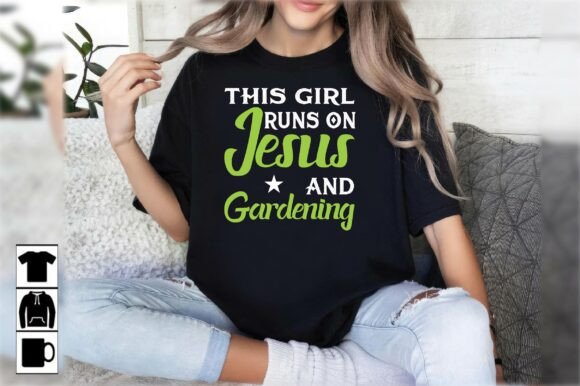
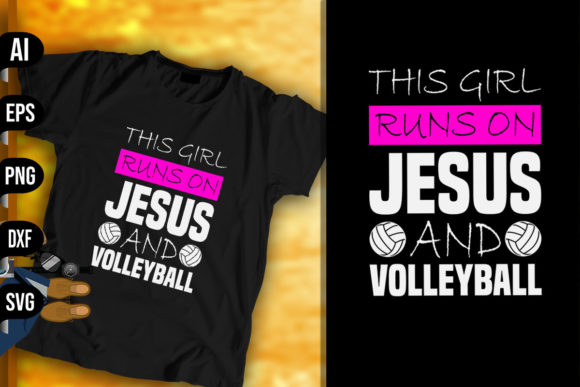
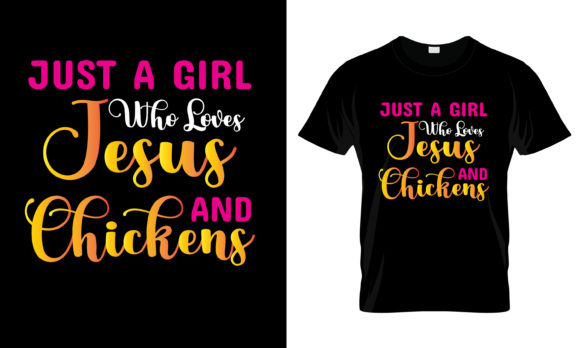
- Merchandise and apparel – Screen-printed tees or tank tops benefit from a clean, centered layout with the full statement, supported by a refined color palette. Distressed textures can add authenticity for athletic wear.
- Editorial and print design – Magazine spreads, ministry brochures, or dance program covers can use the phrase as a pull quote with image bleeds that capture both a runner in stride and a dancer in arabesque.
- Packaging design – If the brand extends to products like fitness journals, devotionals, or dance accessories, the packaging should reflect the same visual harmony—structured yet graceful.
- Web and UI design – A brand website for this identity should use generous white space, large hero imagery, and a typographic system that transitions fluidly between headings and body copy. Motion design elements—like subtle parallax or hover states—can reinforce the idea of movement.
Typography as the Bridge Between Two Worlds
Typography is where the magic happens for a phrase like this. The word “Runs” begs for momentum—something with a forward lean, a condensed width, or even a custom ligature that suggests speed. “Ballet,” on the other hand, calls for elegance—a refined serif, a delicate script, or a letterform with generous contrast. “Jesus” anchors the entire composition. It should carry weight without being heavy, tradition without being dated. The interplay of these three distinct typographic voices creates a visual hierarchy that guides the viewer’s eye and deepens the brand’s message.
Color Palette and Composition Choices
Color can make or break this identity. Avoid overly saturated palettes that compete with the content. Instead, lean into a refined range:
- Neutral base – Soft cream, warm gray, or clean white to provide breathing room.
- Accent tone – A muted rose or blush pink to reference ballet slippers and gentleness.
- Grounding hue – Charcoal, deep navy, or earthy brown to anchor the athletic, disciplined side.
- Highlight – A touch of gold or soft amber for spiritual warmth and premium feel.
When composing layouts, use movement lines—subtle streaks or curves—to visually connect the two halves of the identity. Imagery should alternate between static grace (a dancer holding a pose) and dynamic motion (a runner mid-stride). This alternation keeps the visual story fresh across touchpoints.
Consistency Across Creative Assets
For any brand—especially one with a personal, faith-driven angle—consistency is critical. The logo must scale from a mobile app icon to a event banner without losing its character. The typographic system should include at least one primary, one secondary, and one accent typeface, each clearly documented in a brand style guide. The color palette must work in both digital and print environments, accounting for screen brightness and ink behavior. When every asset speaks the same visual language, the brand builds trust and recognition—whether the viewer encounters it on a social media graphic or a product package.
Real-World Value for Designers and Clients
From a professional perspective, working with a statement like This Girl Runs on Jesus and Ballet pushes your design thinking beyond generic lifestyle branding. It forces you to consider cultural context, emotional resonance, and the power of juxtaposition. For clients, this approach yields a brand identity that feels authentic, memorable, and deeply personal—a rare combination in today’s crowded visual landscape. Whether you’re designing for a dancer, a runner, a faith-based community, or someone who embodies all three, the principles here apply broadly: embrace contrast, honor both sides of the story, and let every design choice serve the message, not distract from it.
Thoughtful design decisions rooted in a clear conceptual foundation elevate ordinary visual communication into something that truly connects. When the phrase itself carries such inherent tension and beauty, your job as a designer is to amplify that without overwhelming it. The result is a visual identity that feels both polished and alive—exactly what any brand should aspire to be.