The Paradox of Sovereignty: Understanding the King of the Dark Religious Christian Bible
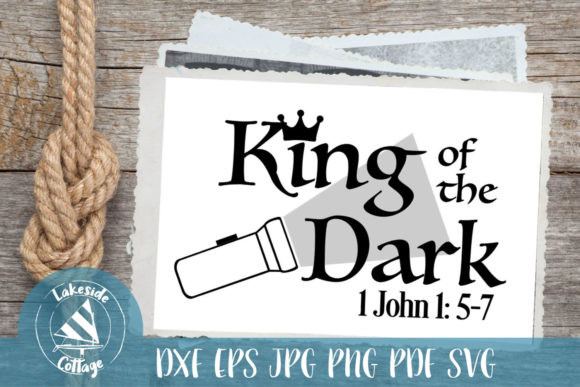
The phrase King of the Dark does not appear verbatim in traditional translations of the Religious Christian Bible. Yet its conceptual weight presses against the pages of Scripture, asking readers to consider who holds authority in the shadows, in seasons of suffering, and within the moral complexities that define human existence. When we speak of the King of the Dark Religious Christian Bible, we are engaging a theological symbol that has emerged in devotional literature, biblical scholarship, and contemporary spiritual discourse. This phrase invites believers and seekers alike to examine the intersection of divine sovereignty and the experience of darkness—whether that darkness is understood as sin, despair, mystery, or the hiddenness of God.
Origins and Interpretations of the King of the Dark Motif
The King of the Dark concept draws from several threads within the Christian tradition. In the Old Testament, God is described as dwelling in thick darkness (Exodus 20:21, 1 Kings 8:12), and the psalmist declares that darkness and light are both alike to the Creator (Psalm 139:12). These passages do not portray darkness as evil, but as a realm of divine presence beyond human comprehension. The Religious Christian Bible uses darkness to communicate mystery, judgment, and sometimes the very glory of God.
In more recent devotional and theological writing, the King of the Dark Religious Christian Bible has been used to explore themes of spiritual warfare, the problem of evil, and the paradoxical rule of Christ over all domains—including those that seem hostile to His light. The phrase resonates with readers who have encountered the biblical testimony that Christ holds authority over principalities and powers (Colossians 2:15), and that even the darkness cannot overcome the light (John 1:5).
Scriptural Foundations for the King of the Dark Concept
- God's sovereignty over darkness: Isaiah 45:7 states, "I form light and create darkness; I make well-being and create calamity; I am the Lord, who does all these things." This verse establishes that darkness is not outside God's jurisdiction.
- Christ as ruler in the spiritual realm: Ephesians 1:20-22 describes Christ seated at the right hand of God, far above all rule, authority, power, and dominion—a declaration that His kingship extends to every dimension, visible and invisible.
- The dark night of the soul: Mystics like John of the Cross wrote of the soul's journey through spiritual darkness, where God's presence is veiled yet active. The King of the Dark language resonates with this tradition of finding God in the obscure and painful seasons of faith.
Practical Understanding: What the King of the Dark Means for Believers
For many individuals navigating the Religious Christian Bible in their daily lives, the King of the Dark offers a framework for interpreting hardship. Rather than viewing seasons of confusion, loss, or spiritual dryness as evidence of God's absence, this perspective suggests that Christ reigns even in those depths. The phrase becomes a reminder that no territory—emotional, relational, or existential—lies beyond the reach of divine authority.
Consider the experience of someone facing a prolonged illness or the collapse of a lifelong dream. Traditional Christian language might encourage them to look for light, to trust in God's goodness. The King of the Dark Religious Christian Bible adds a complementary emphasis: that the darkness itself is not lawless territory. The King is already there. This can reduce the anxiety of feeling abandoned and reframe suffering as a place of hidden governance rather than divine absence.
Characteristics of the King of the Dark in Christian Thought
- Hidden yet active sovereignty: The King of the Dark does not always reveal Himself through obvious signs, but His rule is no less real. This mirrors the kingdom parables of Jesus, where growth happens underground (Mark 4:26-29).
- Judgment and mercy intertwined: Biblical darkness sometimes represents judgment (Exodus 10:21, Matthew 25:30). Yet the King who presides over such darkness is also the one who entered it on the cross, bearing judgment for His people.
- Accessibility through lament: The Psalms of lament are filled with cries from the dark. The King of the Dark Religious Christian Bible validates these cries, showing that honest complaint is a form of worship directed to the reigning God.
- Transformation through confrontation: Encounters with the King of the Dark often produce profound change. Jacob wrestling at Peniel (Genesis 32), Job's confrontation with divine mystery, and Paul's thorn in the flesh all illustrate growth through darkness.
Applications Across Different Audiences
The King of the Dark Religious Christian Bible speaks to diverse groups precisely because darkness is a universal human experience. Below are several lenses through which different readers engage this theme.
Professionals and Leaders
Those in high-stakes environments—executives, healthcare workers, educators—frequently encounter ethical ambiguity, burnout, and situations with no clear right answer. The King of the Dark concept offers a theological grounding for operating in complexity. If the King rules even where clarity fails, then decision-making can proceed with humility and courage rather than paralysis. Leaders who meditate on this aspect of the Religious Christian Bible often report a greater capacity to hold tension without despair.
Creators and Artists
Artists who draw on the King of the Dark Religious Christian Bible find rich symbolic material. The motif appears in literature, music, and visual art that explores the intersection of faith and shadow. For example, contemporary Christian musicians have used the phrase to describe songs written during personal crises, while visual artists incorporate chiaroscuro—the dramatic interplay of light and dark—to evoke the presence of the King in obscured spaces. Creators value this theme because it legitimizes the full range of human emotion as worthy of expression.
Educators and Researchers
Those teaching theology, biblical studies, or comparative religion encounter the King of the Dark as a case study in how religious language evolves. Scholars note that this phrase does not originate from a single biblical verse but emerges from a synthesis of passages and traditions. Researchers analyze its usage in sermons, blogs, and published works to understand how contemporary Christians adapt Scripture to address modern existential concerns. The term provides a lens for examining theodicy, divine hiddenness, and the rhetoric of spiritual warfare.
Hobbyists and Lifelong Learners
For individuals studying the Religious Christian Bible outside formal institutions, the King of the Dark opens doors to deeper study. Hobbyists may explore related topics such as the apophatic tradition (theology through negation), the cry of dereliction from the cross, or the concept of the deus absconditus (the hidden God). The phrase invites curiosity, leading readers to passages they might otherwise overlook, such as Job 23 or Psalm 88.
Considerations and Tensions in the King of the Dark Framework
While the King of the Dark Religious Christian Bible resonates with many, it also raises important questions. Some critics warn against romanticizing darkness or using the phrase to justify passivity in the face of evil. The biblical narrative consistently portrays God as liberating people from oppression and calling His followers to be light-bearers. Any theology of darkness must hold these truths in tension.
Another consideration is the risk of misinterpretation. The King of the Dark could be mistaken for a dualistic figure—a kind of equal opposite to the King of Light. Orthodox Christian teaching, however, affirms that there is only one sovereign God. The darkness is not a rival kingdom but a domain where God's sovereignty is expressed in modes of hiddenness, judgment, and redemptive suffering. The Religious Christian Bible never presents darkness as co-eternal with light; rather, it is a created reality that serves the purposes of the Creator.
Use Cases in Teaching and Discipleship
- Sermon series: Pastors have used the King of the Dark Religious Christian Bible as a theme for Advent or Lent, seasons that emphasize waiting, penitence, and the tension between present darkness and promised light.
- Small group curriculum: Discussion groups focused on the problem of suffering find the motif helpful for framing biblical texts that do not offer easy answers.
- Personal journaling: Individuals write about their own dark seasons under the rubric of the King of the Dark, finding language for experiences that felt spiritually formless.
Observations on the Cultural Moment
Interest in the King of the Dark Religious Christian Bible has grown alongside broader cultural conversations about trauma, mental health, and the legitimacy of negative emotion. In an era that sometimes pressures people toward constant positivity, the phrase grants permission to acknowledge darkness without forfeiting faith. It aligns with the biblical witness that lament is a valid and even necessary form of prayer.
Moreover, the motif appeals to those who find conventional Christian language too sanitized. The King of the Dark does not pretend that life is always bright. Instead, it offers a vision of sovereignty that is large enough to encompass the full spectrum of human experience. This honesty can be deeply refreshing for skeptics and seekers who have felt alienated by religious communities that suppress doubt or grief.
Ethical and Spiritual Implications
Living under the King of the Dark Religious Christian Bible carries practical implications for how one treats others. If the King rules even in the darkest places of human experience, then no person is beyond hope, and no situation is devoid of potential meaning. This perspective fosters compassion for those who are suffering, as well as humility in those who are currently walking in light. It also encourages careful discernment: not every darkness is the same. Some darkness calls for endurance, some for protest, some for lament, and some for action. The King of the Dark does not prescribe a single response but invites ongoing relationship with the one who holds all things together.
Trends in King of the Dark Literature and Teaching
Recent publications and online resources have expanded the King of the Dark Religious Christian Bible into several directions. Devotional books use the phrase as a framework for 30-day reading plans. Podcasts feature interviews with theologians who explore the theme of divine hiddenness. Social media communities share artwork and testimony under related hashtags. The term has also appeared in academic papers examining the use of darkness metaphors in evangelical spirituality.
One emerging trend is the integration of the King of the Dark with trauma-informed care. Christian counselors and spiritual directors draw on the concept to help clients who have experienced abuse, loss, or deep disappointment with God. The motif provides a non-shaming way to talk about anger and confusion while maintaining a connection to faith. In this context, the Religious Christian Bible is not a source of easy comfort but a companion that validates the struggle.
Comparative Perspectives
Readers familiar with other religious traditions may notice parallels to the King of the Dark in the Christian Bible. The idea of a deity who inhabits mystery and darkness appears in the Hindu concept of Krishna as the dark one, in the Buddhist recognition of suffering as a path to awakening, and in the Jewish mystical tradition of the Ein Sof (the infinite, hidden God). These comparisons are not meant to conflate traditions but to show that the human encounter with the sacred often includes a dimension of obscurity. Within Christianity, the King of the Dark Religious Christian Bible remains distinct because it is anchored in the incarnation, crucifixion, and resurrection—events that give specific shape to the meaning of darkness and redemption.
Practical Steps for Engaging the King of the Dark Theme
For readers who wish to explore the King of the Dark Religious Christian Bible further, several approaches may prove fruitful:
- Read the Psalms of lament: Begin with Psalms 13, 22, 42, 43, and 88. Notice how the psalmists address God directly from their distress without fearing irreverence.
- Study the book of Job: Job's dialogues with his friends and with God model the tension between human suffering and divine sovereignty. The King of the Dark theme is woven throughout.
- Consider the crucifixion narratives: The Gospels' accounts of Jesus's death include darkness at noon (Mark 15:33), the cry of abandonment, and the sense that the King enters the deepest darkness on behalf of His people.
- Reflect on personal experience: Journal about seasons of darkness in your own life. What did you believe about God during those times? How might the King of the Dark Religious Christian Bible reframe that experience?
- Engage with caution and community: Discuss these ideas with trusted mentors or groups. The theme is rich but can be disorienting if explored in isolation.
Final Observations on the Ongoing Relevance
The King of the Dark Religious Christian Bible is not a fixed doctrine but a living symbol. It continues to evolve as believers bring their questions, pain, and hope to the biblical text. In a world marked by uncertainty, global crises, and personal trials, the motif offers a way to hold faith without denying reality. It affirms that God is present even when He seems absent, that Christ reigns even in the shadows, and that the Religious Christian Bible provides language for the full depth of human experience.
Whether one approaches this theme as a scholar, a artist, a leader, or a seeker, the King of the Dark invites a more honest, robust faith—one that does not flinch from the dark but discovers within it the hidden majesty of the King who has overcome the world.