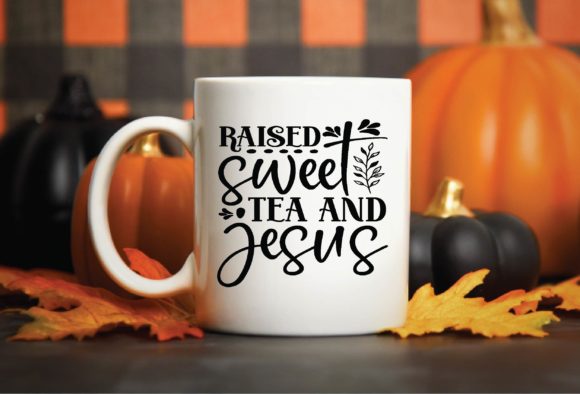
Raised Sweet Tea and Jesus SVG in Design
Some design assets carry more than just visual weight—they tell a story, evoke a feeling, and connect with a specific audience on a deeper level. Raised Sweet Tea and Jesus Svg is exactly that kind of creative resource. It blends Southern charm, faith-based messaging, and a touch of nostalgia into a single graphic element that designers can use to build authentic, emotionally resonant branding. Whether you are crafting a logo for a boutique bakery, designing social media content for a church event, or building a full brand identity around rustic, faith-inspired aesthetics, this type of SVG offers a ready-made visual shorthand that speaks volumes without overwhelming the composition.
Why This SVG Matters in Modern Graphic Design
In today’s visual landscape, audiences crave authenticity and connection. Generic stock graphics no longer cut it. Raised Sweet Tea and Jesus Svg provides a unique intersection of regional identity and spiritual expression, making it an ideal anchor for brands, campaigns, and creative projects that target communities drawn to both Southern culture and Christian faith. From a design perspective, the strength of this asset lies in its typographic and illustrative potential—the lettering often carries a hand-lettered or vintage feel, while accompanying imagery may include tea glasses, crosses, or botanical accents. This combination gives designers a head start on establishing visual hierarchy and thematic consistency.
Branding and Logo Design
When you need a logo that feels both familial and faithful, this SVG can serve as a core visual element. Its inherent charm works well for family-owned restaurants, cafés, bed-and-breakfasts, and faith-based organizations. The typography alone can inform the entire brand identity, helping you choose complementary fonts, a warm color palette, and supporting graphics that reinforce the message.
Social Media Content and Digital Marketing
Scrolling stops when a design feels personal. Use the SVG in quote cards, event promotions, or seasonal posts. The phrase itself invites engagement—it sparks recognition and conversation. Pair it with a soft, earthy color palette and clean layouts to maintain readability on mobile screens.
Editorial and Print Design
From church bulletins to community cookbooks, the SVG adds a distinctive regional flavor. It works beautifully as a chapter opener, a sidebar accent, or a cover element. Because it is vector-based, scaling it for large-format prints like posters or banners is seamless, preserving crisp edges and consistent line weights.
Merchandise and Packaging
Items like tote bags, T-shirts, mugs, and gift tags benefit from the heartfelt, handcrafted appearance of this design. The SVG format allows for easy color adjustments and layering, so you can adapt it to different product backgrounds and fabrics without losing quality.
Tips for Selecting and Using Design Elements Effectively
Not every SVG file is ready for prime time. Here are a few professional considerations when working with assets like this one:
- Check scalability and stroke consistency. Ensure that thin lines and intricate details hold up at both small and large sizes.
- Evaluate readability. If the SVG includes text, confirm that it remains legible across different backgrounds and distances.
- Maintain brand alignment. Does the tone of the asset match your client’s voice and audience expectations? A rustic, hand-lettered style may not suit a modern tech brand, but it is perfect for lifestyle, hospitality, and faith-based projects.
- Plan for color adaptation. The best SVGs work in monochrome as well as full color. Test your asset in black-and-white to verify it retains its visual impact.
Building a Cohesive Visual System
Using Raised Sweet Tea and Jesus Svg effectively means integrating it into a larger design workflow. Consider how the typography, color palette, and compositional style of the asset can inform your entire project. For example:
- Typography: Let the lettering style guide your choice of supporting fonts—pair it with a clean sans-serif for contrast or a matching script for harmony.
- Color palette: Pull colors from the SVG itself. Warm browns, soft creams, muted greens, and deep burgundies often complement these designs.
- Visual hierarchy: Use the SVG as a primary focal point, then build supporting elements around it without crowding the layout.
- Consistency across mediums: Apply the same color and typography system to social media, print, web, and merchandise to create a unified brand presence.
By treating the SVG not as a standalone decoration but as a foundational design asset, you elevate the entire project from simple decoration to intentional communication.
Design Trends and Audience Expectations
There is a growing appetite for designs that feel handmade, heartfelt, and rooted in place. Modern aesthetics are moving away from overly polished, corporate visuals toward warmth, texture, and personality. Raised Sweet Tea and Jesus Svg taps directly into that trend. It offers designers a way to incorporate regional pride and faith-based values without resorting to clichés. When used thoughtfully, it enhances user engagement by creating an immediate emotional connection—viewers see themselves and their community reflected in the design.
Ultimately, the best design choices are those that serve both the message and the audience. Whether you are building a brand from scratch or refreshing an existing visual system, thoughtful selection of creative assets like this SVG can make the difference between a forgettable layout and one that resonates deeply. Focus on consistency, readability, and emotional alignment, and your designs will not only look good—they will communicate clearly and meaningfully.