Jesus Cross Tree: A Meaningful Symbol for Faith, Home, and Daily Life
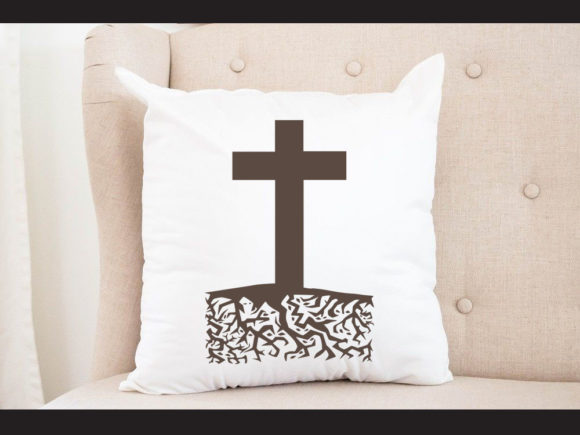
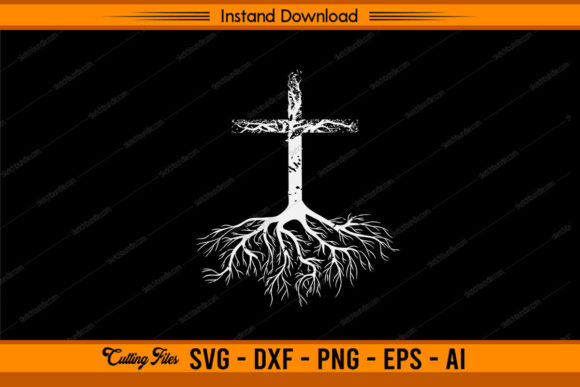
You might have come across a Jesus Cross Tree at a faith-based gift shop, a craft fair, or even on a friend’s mantelpiece. At first glance, it looks like a small decorative tree — but instead of leaves or ornaments, it features crosses. Some versions are made from metal, others from wood, and a few incorporate natural branches. The concept blends the imagery of a tree (often symbolizing life, growth, and family roots) with the cross, the central symbol of Christian faith. For many, a Jesus Cross Tree is not just decor; it’s a daily reminder of spiritual grounding and hope.
But who actually uses these? And why have they become a meaningful addition in homes, offices, and classrooms? Let’s walk through real situations where a Jesus Cross Tree fits naturally into everyday life.
Where You’ll Find a Jesus Cross Tree in Action
Most people first encounter a Jesus Cross Tree in a home setting. It might sit on a bookshelf, a nightstand, or even a dining table. During the holidays, some families use it as an alternative or companion to a traditional Christmas tree — especially those who prefer a more faith-centered display. Others keep it up year-round because the design works with any season: no need for seasonal decorations to swap out.
Beyond private homes, you’ll see a Jesus Cross Tree in:
- Church lobbies and fellowship halls – as a welcoming piece or a visual anchor for prayer requests.
- Small offices or home workspaces – offering a quiet focal point for a moment of reflection before a busy day.
- Retreat centers and classrooms – used during discussions about faith, symbolism, or art.
- Gift shops and online marketplaces – sold as a thoughtful present for baptisms, confirmations, or housewarmings.
It’s common to find handmade versions at artisan markets, where local woodworkers have turned scraps of cedar or walnut into something both decorative and meaningful.
When People Reach for a Jesus Cross Tree
Timing matters. Certain life moments make this symbol especially relevant. A family might purchase one after a funeral, wanting a tangible reminder of resurrection. A young adult moving into their first apartment might hang a small Jesus Cross Tree near the door as a statement of identity. During Advent or Lent, churches often display a large Jesus Cross Tree to guide personal prayer journeys.
Then there are the quieter times: a Tuesday afternoon when stress piles up, and you glance at its simple shape. Some users describe pausing to trace the crosses with their finger, using the object as a grounding tool before a tough conversation. That’s when the tree becomes more than decoration — it becomes a trigger for a change in perspective.
Why It Resonates Across Different Audiences
People connect with a Jesus Cross Tree for varied reasons. For some, it’s purely spiritual. They see the cross as the center of their faith, and the tree as a symbol of continuous life — exactly what Easter promises. Others appreciate the aesthetic: a minimalist cross tree in black metal fits a modern apartment, while a reclaimed wood version adds rustic warmth.
Entrepreneurs and small business owners might use it as a subtle way to express their values in a store or coffee shop. Bloggers and content creators often feature it in lifestyle posts about “simple faith-filled decor” or “meaningful gifts that last.” Teachers use it as a visual aid when explaining Christian symbolism to students — without needing a full wall of imagery.
Even hobbyists get involved. Woodworkers, metal artists, and crafters enjoy creating their own Jesus Cross Tree designs, experimenting with different angles, finishes, and sizes. For them, the tree becomes a creative challenge that also carries personal meaning.
For the Creator or Artist
If you work with your hands — whether woodworking, welding, or sculpting — a Jesus Cross Tree can become a signature product. I’ve seen makers start by producing one for themselves, then friends ask for one, and soon they’re selling at local craft shows. The key is to focus on quality: smooth edges, stable base, and a finish that invites touch. One woodworker I know uses salvaged oak from an old church pew and engraves a small verse on the base. That personalized detail makes each piece feel like a story.
For the Small Business Owner (Retail or E‑Commerce)
If you run a gift shop or an Etsy store, listing a Jesus Cross Tree can attract customers looking for faith-based items that aren’t mass-produced. Photograph it in natural light, show it on a desk with a coffee cup beside it, and describe how it sits in real homes. A good description answers: “How big is it? Does it tip over? What kind of cross shape?” Sharing a photo of it in a cozy reading nook helps customers imagine it in their own space.
For Bloggers and Educators
Content creators can write posts around a Jesus Cross Tree without being overtly religious. You could compare different styles (modern vs. rustic), share a DIY tutorial for building one from twigs and wire, or interview a local artisan about their process. Educators may use the tree as a launchpad for lessons on symbols in religion: ask students what the tree represents in different cultures and then focus on the cross-tree combination. It’s a hands-on object that sparks discussion.
For Everyday Users and Families
A family might incorporate a Jesus Cross Tree into a weekly tradition. For example, each Sunday evening a family member places a small note of gratitude on one of the branches (or on a cross). Over time, the tree becomes a collection of prayers or blessings. Another practical use: a bedside Jesus Cross Tree for children, helping them connect a visual to bedtime prayers. Parents report it gives children a concrete “place” to direct their thoughts, rather than just talking into the air.
What to Consider Before Choosing or Using a Jesus Cross Tree
Not every Jesus Cross Tree is the same. If you’re thinking about buying one, making one, or recommending it to others, a few factors can make the difference between a cherished object and a dust collector.
- Material and Durability – A wooden tree might warp if placed near a humid window. Metal can rust if not sealed. Consider where it will live. For an outdoor prayer garden, opt for weather-resistant metal or treated wood. For a bedroom shelf, a lighter wood works fine.
- Size and Scale – A 6‑inch tree disappears on a large mantel, but a 24‑inch one may overwhelm a nightstand. Think about sight lines. Do you want it to be noticed from across the room, or only up close?
- Cross Shape and Style – Some trees use simple Latin crosses; others include Celtic crosses, Byzantine shapes, or even Ichthus symbols. Each carries a different visual weight and meaning. Choose what fits your personal or audience’s tradition.
- Stand and Stability – A wobbling tree is frustrating. Check that the base is weighted or wide enough. If you’re making one, add felt pads to avoid scratches.
- Intentional Placement – Think about why you want it. Is it for daily prayer, seasonal decor, or just because it looks good? The answer affects where you put it and how often you engage with it.
Connecting Features to Real Outcomes
The best Jesus Cross Tree isn’t necessarily the cheapest or the most ornate. It’s the one that fits into a real routine. A well-made tree with a solid base and a smooth finish might be used for years, becoming part of family rituals. A poorly glued tree with paint that flakes after a month will likely end up in a box.
I spoke with a mother of three who has a small Jesus Cross Tree on her kitchen windowsill. She told me, “Every morning while I drink my coffee, I look at it and just take a breath. It helps me start the day with a different mindset.” That’s the kind of outcome that no product description can guarantee — but thoughtful design can encourage it.
If you’re a creator or seller, focus on the details that enable those moments. A gentle curve in the wood, a textured base that feels good to hold, a finish that catches morning light — these things turn an object into something people interact with. And that’s where the real value lies.
Whether you’re considering a Jesus Cross Tree for yourself, your home, your shop, or your classroom, the decision comes down to authenticity. Does it represent what you want to communicate? Does it invite use, reflection, or conversation? Those are the questions that turn a simple tree into something worth keeping around.