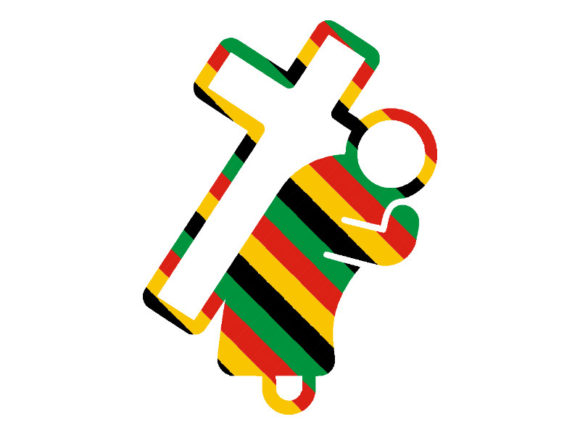
Jesus Christ Cross Logo: A Symbol of Faith in Everyday Life
You might have seen it on a t-shirt, a storefront, a website header, or even as a tattoo peeking out from someone's sleeve. The Jesus Christ cross logo is more than just a piece of graphic design—it's a visual shorthand for something deeply personal and public at the same time. For many, it represents faith, identity, and connection. But in a world full of logos, symbols, and branding, what makes this particular one stand out, and how do people actually use it in their daily lives?
Let's move past the theology for a moment and look at the practical side. Whether you're a business owner, a creative professional, a community leader, or someone looking to express your beliefs in a tasteful way, understanding how this logo works in real-world settings can save you time, money, and a lot of second-guessing.
More Than a Symbol: Why the Jesus Christ Cross Logo Resonates
Logos are everywhere. Your coffee cup has one. Your phone has one. But a Jesus Christ cross logo carries a weight that few commercial brands can match. It's not selling a product—it's representing a worldview. When someone wears it on a hoodie or places it on a business card, they're making a statement that goes beyond aesthetics.
I've seen this play out in surprising ways. A friend of mine runs a small landscaping company and put a simple cross logo on the side of his truck. He told me that more than half his new clients mentioned it when they called. Some said it made them feel they could trust him. Others said it reminded them of their own upbringing. The logo didn't do the work for him, but it opened a door. That's the kind of real-world utility that doesn't show up in a design brief.
For creatives, the Jesus Christ cross logo can be a flexible canvas. It can be rendered in minimalist line art, bold gothic strokes, rustic wood textures, or clean modern vector shapes. The same core symbol can feel ancient or contemporary depending on how it's drawn. That versatility is part of why it shows up everywhere from church bulletins to skateboard decks.
Who Actually Uses a Jesus Christ Cross Logo?
You might assume this logo is only for churches or religious organizations. That's a common guess, but it's only part of the picture. The real range of users is broader than most people realize.
Small Business Owners
From coffee shops in the Midwest to boutique clothing stores in the South, small business owners often integrate a cross logo into their branding. It's not always about preaching. For many, it's about signaling values like honesty, service, and community. A bakery near my hometown uses a cross logo on their packaging, and customers regularly mention that it makes them feel good about what they're buying. It's a quiet nod to the owner's faith without being pushy.
Content Creators and Influencers
On social media, a Jesus Christ cross logo can function as a profile picture, a watermark on videos, or a recurring visual theme. I've noticed that creators who talk about faith, family, or personal growth often use a simple cross logo as a way to anchor their content. It gives their audience a quick visual cue about what kind of content to expect. It's practical branding that builds recognition over time.
Event Organizers
Concerts, conferences, retreats, and community gatherings all benefit from a consistent visual identity. A cross logo on flyers, banners, and digital ads helps create a sense of unity. I attended a youth conference last year where the logo was on everything—t-shirts, lanyards, even the stage backdrop. It turned a generic event into something that felt cohesive and intentional.
Individuals for Personal Use
Not everyone needs a logo for business. Some people commission or design a custom Jesus Christ cross logo for personal projects: a family reunion, a memorial, a milestone birthday, or even just for their own journal or blog. One person I know designed a simple cross logo for his woodworking hobby and started branding his handmade gifts with it. His friends and family now associate that logo with his thoughtful, handcrafted work.
Different Scenarios, Different Needs
The way you use a Jesus Christ cross logo will depend on your specific situation. Let's walk through a few common scenarios and what works well in each.
Scenario 1: You're starting a faith-based nonprofit. Here, the logo needs to feel trustworthy but not corporate. A hand-drawn or organic-looking cross often works better than something too polished. You want people to feel a human connection, not a marketing agenda.
Scenario 2: You're designing merchandise for a church group. T-shirts, hats, and stickers are popular. The logo needs to look good on fabric and at different sizes. A simple, bold design with clean lines tends to print well and remain legible from a distance. Embroidery-friendly designs are also worth considering if you're doing hats or polos.
Scenario 3: You're building a personal brand online. If you're a blogger, podcaster, or YouTuber, your logo will live in small spaces like profile pictures and video thumbnails. A detailed design will get lost. A streamlined Jesus Christ cross logo with minimal detail will look crisp and recognizable even at small sizes.
Scenario 4: You're creating a logo for a memorial or tribute. This calls for a more reverent, understated approach. Soft colors, subtle shapes, and a classic cross form often feel more appropriate. The goal is to honor rather than attract attention.
Practical Considerations Before Choosing a Jesus Christ Cross Logo
Before you settle on a design, there are a few things worth thinking through. These aren't rules, just observations from people who've been through the process.
Originality matters. It's tempting to grab a free clip-art cross and call it a logo. But if you're using it for anything public—a business, a brand, a website—you want something that isn't identical to a thousand others. A custom or thoughtfully modified design will stand out and feel more authentic. Many designers specialize in religious symbols and can create something unique without reinventing the wheel.
Context is everything. A cross logo that works perfectly for a beachside church might feel out of place in a formal cathedral setting. Think about where your logo will appear most often. Digital, print, signage, apparel—each medium has its own requirements. A logo that looks great on a phone screen might lose detail when embroidered on a cap.
Color sends a message. Black and white is classic and versatile. Gold or silver can feel elevated. Blue often conveys calm and trust. Red can be bold and passionate. Think about what feeling you want to evoke and choose your palette deliberately.
Size and scalability. A good logo works at every size. Test your Jesus Christ cross logo at the size of a social media avatar and at the size of a banner. If it becomes unrecognizable or cluttered at small sizes, simplify it.
Strengths and Potential Limitations
Let's be honest about what a Jesus Christ cross logo can and can't do.
Strengths: It's instantly recognizable to a huge audience. It carries emotional weight and can build trust faster than a generic symbol. It's versatile across cultures and denominations when designed thoughtfully. It also has a timeless quality—unlike trends that come and go, the cross remains relevant year after year.
Potential limitations: It may not resonate with everyone. If you're targeting a broad, secular audience, a prominent cross could alienate some potential customers or followers. That's not necessarily a reason to avoid it, but it's worth considering your audience. Also, because it's such a common symbol, your design needs to feel intentional to avoid looking generic or mass-produced.
Another thing I've observed: some people worry about using a cross logo in a commercial context. They wonder if it's respectful or if it might come across as exploitative. The key is sincerity. If the logo reflects genuine values and is used consistently with those values, most people will recognize the authenticity. If it feels like a sticker slapped on for profit, that's when it falls flat.
Real-World Inspiration and Observations
I've collected a few examples over the years that show how different people have made the Jesus Christ cross logo their own.
- A woodworker in Oregon burns a minimalist cross into his cutting boards. He says customers often buy them as gifts for friends going through hard times. The logo becomes part of a story.
- A musician uses a cross logo on album covers and stage backdrops. For him, it's a subtle nod to his faith without needing to announce it in every song.
- A coffee shop in Texas has a cross logo on their cups and signage. The owner told me it's never been a topic of complaint. Instead, it's sparked conversations at the counter.
- A wedding photographer includes a small cross logo on her website and print materials. She says it helps attract clients who want their faith reflected in their wedding coverage.
These aren't theoretical use cases. They're real people who found a way to integrate a meaningful symbol into their daily work. The logo didn't solve their problems, but it gave them a visual anchor that connected with the right people.
Finding Your Own Approach
If you're considering a Jesus Christ cross logo for your own project or purpose, start by asking yourself what you want it to communicate. Is it about trust? Tradition? Belonging? Personal conviction? The answer will guide your choices about style, color, and placement.
Don't rush the design phase. Look at examples across different industries—not just religious ones—to see what resonates with you. Talk to a designer who understands both visual communication and the nuances of religious symbolism. Test your logo in real settings: on a phone screen, on a printed page, on a piece of fabric.
A logo is just a starting point. What matters is what you build around it. But when done well, a simple cross can become a meaningful part of how people see and remember you.