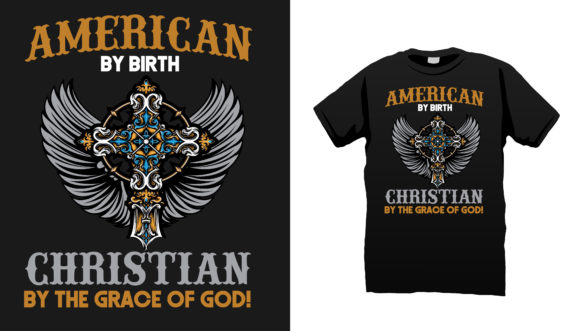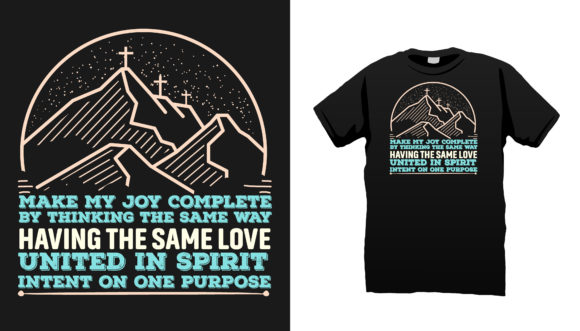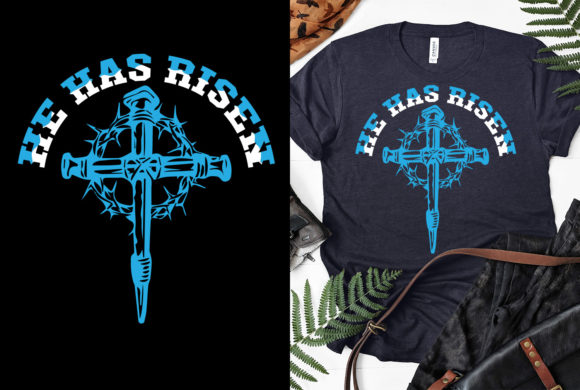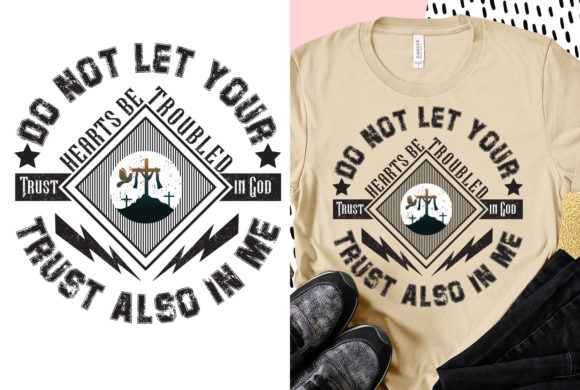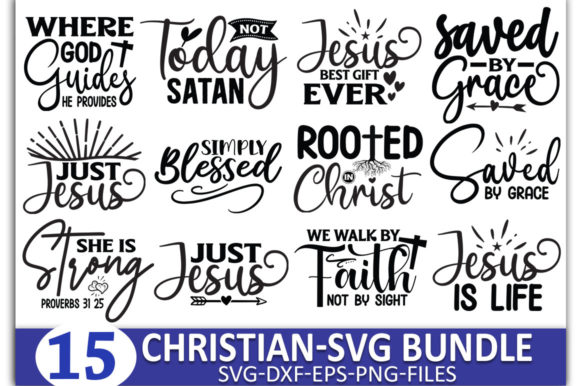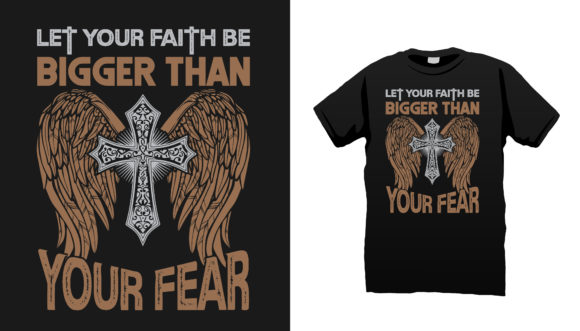
Christian Tshirt Design Vector Graphic: A Smart Foundation
If you have ever tried scaling down a web image for a t-shirt logo or blowing it up for a banner, you know the frustration of blurry edges and pixelated results. This is the most common hurdle for anyone stepping into faith-based apparel design. The solution is a Christian tshirt design vector graphic. Unlike standard photos or JPEGs, a vector file is built on mathematical paths rather than a fixed grid of pixels. This technical difference is what gives you the freedom to create professional, high-quality prints across every format imaginable. Let us explore why this choice matters for your creativity, your ministry, and your business.
What Exactly Is a Vector Graphic? A Simple Breakdown
Think of a pixel-based image as a mosaic made of tiny, fixed tiles. If you stretch that mosaic, you see the gaps between the tiles and the image falls apart. A vector graphic is more like a drawing made of stretchable rubber bands. Every line, curve, and color fill is stored as a mathematical formula instead of a colored square.
When you work with a Christian tshirt design vector graphic, every element of the artwork—whether it is a cross, a dove, or a scripture verse—is fully scalable. You can resize it to fit a small tag on a hat or a massive billboard, and the quality remains razor sharp. This inherent scalability makes vectors the industry standard for serious apparel design. For your t-shirt projects, this translates directly to crisp lines, smooth curves, and uniform colors that are ready for professional printing.
Why This Matters for Your T-Shirt Projects
Why should you invest time in learning about vector files? The practical value is significant.
- Print-Ready Quality: Commercial screen printers and print-on-demand services almost universally prefer vector files like AI, EPS, or SVG. Providing a vector file reduces setup errors and ensures the final print matches your vision exactly, without unexpected blurriness or artifacts.
- Full Creative Control: Owning a vector file means you own the building blocks. Need to change the shirt color from black to white? You can instantly recolor the design for better contrast. Want to add your church name or a specific verse? The text and shapes are easily editable without compromising the artwork.
- Brand Consistency: You can use the exact same vector file for your website header, an Instagram post, a vinyl decal, and a t-shirt. This ensures your visual identity remains consistent across every platform, building recognition and trust with your audience.
- Long-Term Value: While a high-quality vector might cost slightly more upfront than a basic PNG, its versatility means you can use it for countless projects. You are paying for the ability to adapt and reuse the design indefinitely.
Real-World Uses for Your Vector Design Collection
A well-crafted vector design is incredibly versatile. Here is how different users benefit from having one in their toolkit:
- Churches and Ministries: Use the same core graphic for a sermon series projected on screen, the promotional flyer handed out on Sunday, the volunteer t-shirt, and the Facebook event cover. A single vector file becomes the visual anchor for an entire campaign, saving time and ensuring a cohesive look.
- E-Commerce and Small Businesses: If you run a Christian apparel shop on Etsy or a print-on-demand store, vectors are your best asset. You can quickly create mockups on different colored shirts to test which sells best. When a trend shifts, you can adapt the colors or text in minutes rather than hiring a designer from scratch.
- Personal and Group Events: Organizing a youth retreat, a men’s conference, or a family reunion with a faith-based theme? A vector file allows you to take one design and apply it to t-shirts, water bottles, stickers, and thank-you cards, giving the entire event a unified, professional feel.
- Content Creators: Bloggers, podcasters, and YouTubers can use vector elements to create consistent channel art, social media badges, and merchandise, all from one source file. This builds a strong, recognizable brand around your message.
What to Look for in a Quality Christian Design
Not all vector files are created equal. When you are searching for a Christian tshirt design vector graphic, consider these qualities:
- Organized Layers: A professional file will have clearly named layers (such as "Cross," "Background," "Text"). This makes it easy to find and edit exactly what you need without breaking the artwork.
- Appropriate Symbolism: Look for designs that handle faith symbols with both care and artistic skill. A poorly drawn cross or dove can undermine the message you are trying to convey. The design should reflect the reverence of the subject matter.
- Complete File Formats: The best bundles include an AI (Adobe Illustrator), an EPS, an SVG (for web and cutting machines like Cricut or Silhouette), and a high-resolution PNG preview. This ensures you can open it regardless of what software you are using.
- Separated Text and Iconography: A good design keeps the text separate from the main icon. This allows you to translate the design into different languages or use the icon without words for a more minimalist look.
A Practical Guide for Beginners Getting Started
If you are new to vector files, the process is simpler than you might think. Here is how to start:
1. Get the Right Software. You do not need an expensive subscription right away. Inkscape is a completely free, powerful vector editor. For a more user-friendly experience with premium features, Affinity Designer is a one-time purchase. Adobe Illustrator is the industry standard if you have the budget. Additionally, web-based tools like Canva now support SVG uploads, which allows beginners to resize and recolor vectors with an easy learning curve.
2. Download and Unzip. Your purchased design will likely come in a ZIP folder. Extract the files to a dedicated folder on your computer so you can easily find them later.
3. Open and Customize. Drag the AI or SVG file into your chosen software. Use the selection tool to click on different parts of the design. Change colors by selecting an element and picking a new color swatch. This is where the creative freedom really shines.
4. Save Intentionally. Always save your working file (such as .ai or .svg) so you can make changes later. When you are ready to print, export a copy as a high-resolution PNG or a print-ready PDF.
Key Considerations Before You Print and Sell
Before you launch your product line or screen print for your church group, take these final steps to avoid common pitfalls.
- Check the License Agreement: This is the most critical step for business use. Is the Christian tshirt design vector graphic licensed for personal use only, or does it include commercial use? If you are selling shirts on a platform like Etsy or at a church bookstore, you generally need a Commercial Use License. Some designers offer an Extended License for mass production or large print runs. Always read the terms carefully.
- Test for Readability: A design that looks amazing on your computer monitor might be hard to read on a shirt. Shrink the design down on your screen to the actual size it will be printed (roughly 10 to 12 inches wide). Can you still read the text clearly? If not, simplify the typography or remove unnecessary details.
- Consider Your Printing Method: Intricate gradients and tiny lines work well for Direct-to-Garment (DTG) printing. However, they can be difficult and expensive for traditional screen printing, which requires separate screens for each color. Vectors allow you to easily simplify your color palette for screen printing, reducing your costs significantly.
- Respect the Artist’s Work: You have purchased a license to use the design, not to own the copyright. Do not resell the raw vector file itself to others or claim it as your own creation. Treat it as a valuable asset, and support the designers who make these tools available.
Moving from basic, pixel-based images to flexible, professional vector graphics is a significant step forward for anyone creating faith-based apparel. It empowers you to design with confidence, adapt with ease, and maintain a level of quality that reflects the importance of your message. By understanding the strengths of a vector approach, you are equipping yourself with the best tools to bring your creative vision to life. The next time you start a project, make the shift to vector—your future self, and your printer, will thank you.